Security Awareness Training: Protecting and Empowering KMUs
Estimated reading time: 8 minutes
Key Takeaways
- Security awareness training helps employees proactively identify and mitigate cyber threats.
- KMUs often have limited resources and are at a higher risk for cyber attacks.
- Phishing remains a top concern, emphasizing the need for regular employee training.
- Comprehensive cybersecurity programs save costs and bolster regulatory compliance.
- Ongoing and interactive training fosters a security-conscious culture company-wide.
Table of contents
- Security Awareness Training: Protecting and Empowering KMUs
- Why Security Awareness Training is Essential for KMUs
- Key Components of Effective Security Awareness Training
- Implementing Cybersecurity Schulung KMU
- Best Practices for Enhancing Cyber Awareness in KMUs
- Choosing the Right Security Awareness Training Program
- Measuring the Effectiveness of Your Security Awareness Training
- Conclusion
- Take Action Today
- Frequently Asked Questions
Security awareness training is a crucial educational program designed to empower employees to identify and mitigate cybersecurity threats in today’s digital landscape. For KMUs (small and medium-sized enterprises), implementing effective cyber awareness and online security training has become increasingly vital due to limited resources and heightened vulnerability.
Why Security Awareness Training is Essential for KMUs
The cybersecurity landscape for KMUs is particularly challenging. According to the UK government’s Cybersecurity Breaches Survey 2024, approximately half of all businesses have experienced data breaches in the past year, with this figure climbing to an alarming 70% for medium-sized businesses (benefits of security awareness training).
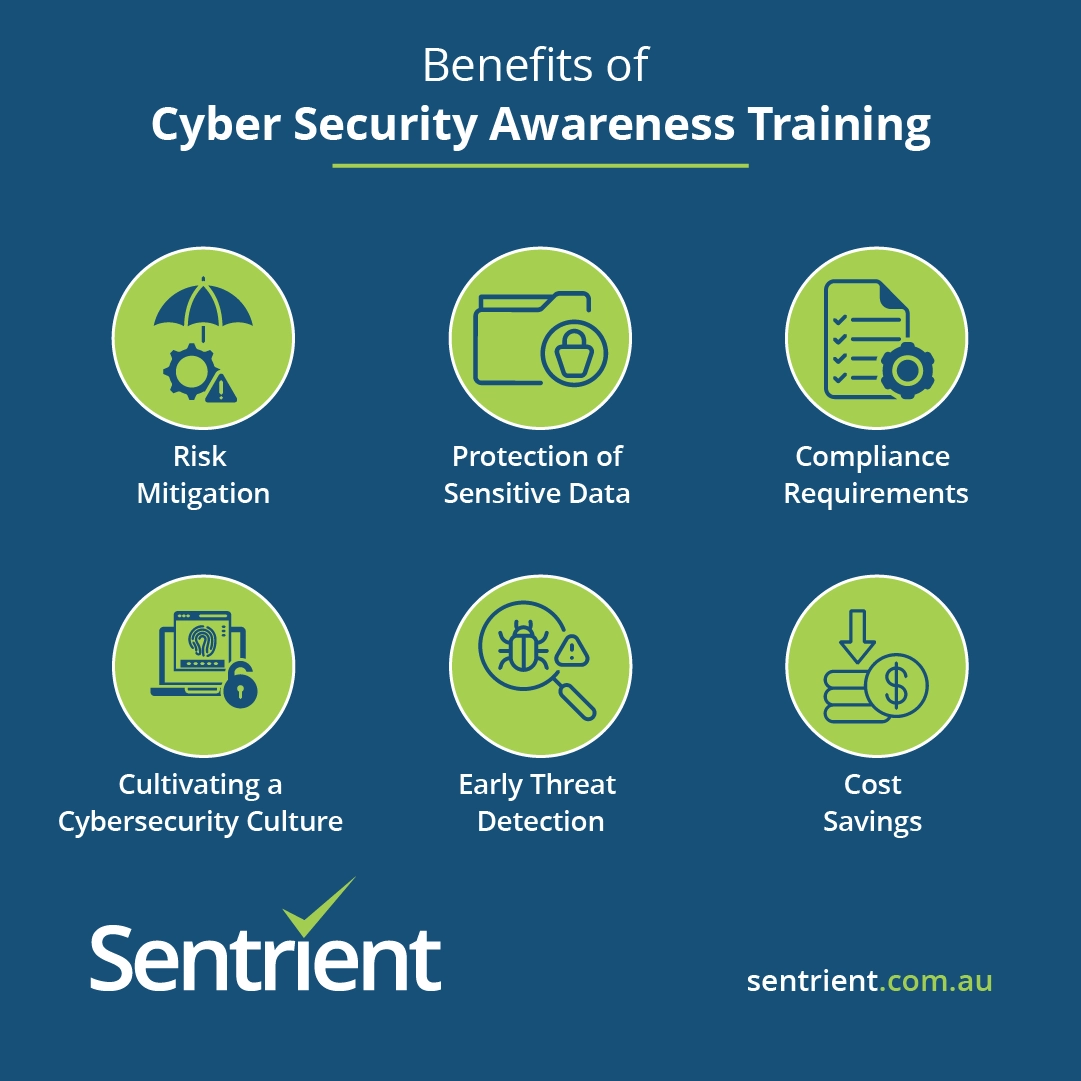
Cyber Awareness KMU programs are essential because they:
- Reduce risk exposure through employee education
- Create a human firewall against cyber threats
- Prove more cost-effective than dealing with breach aftermath
- Help meet regulatory compliance requirements
Studies show that implementing comprehensive Cybersecurity Schulung KMU can save organizations significant costs compared to handling a security breach.
Key Components of Effective Security Awareness Training
Phishing Schulung Mitarbeiter
Phishing remains one of the most prevalent cyber attack methods, exploiting human error. A shocking 82% of security breaches involve the human element, highlighting the critical importance of proper training.
- Recognition of suspicious emails and links
- Proper reporting procedures
- Regular simulated phishing exercises
- Response protocols for potential threats
Online Security Training Advantages
Modern security awareness training often leverages online platforms, offering:
- Flexible learning schedules
- Consistent training delivery
- Real-time updates for emerging threats
- Progress tracking capabilities
- Cost-effective deployment
Implementing Cybersecurity Schulung KMU
Success requires a structured approach:
- Risk Assessment
- Evaluate current security vulnerabilities
- Identify knowledge gaps
- Document existing security policies
- Program Selection
- Choose appropriate Security Awareness Training solutions
- Ensure compatibility with organizational needs
- Consider language and cultural factors (IT-Sicherheitskonformität für KMU)
- Integration
- Implement training with minimal workflow disruption
- Schedule regular sessions
- Include all organizational levels (Managed Security Services KMU Guide)
- Compliance
Formal security awareness programs help meet regulatory requirements, protecting both the organization and its stakeholders (benefits of security awareness training).
Best Practices for Enhancing Cyber Awareness in KMUs
- Continuous Learning
- Schedule regular training sessions
- Provide frequent security updates
- Implement refresher courses
- Interactive Approaches
- Use gamified learning exercises
- Conduct simulated phishing campaigns
- Encourage active participation
- Leadership Engagement
- Demonstrate management commitment
- Foster a security-conscious culture
- Support reporting of suspicious activities
- Regular Updates
- Keep training materials current
- Adapt to new threats
- Update tools and resources
Choosing the Right Security Awareness Training Program
Essential Selection Criteria:
- Proven track record with similar-sized KMUs
- Comprehensive curriculum coverage
- User-friendly interface
- Appropriate language options
- Adaptable content structure
- Regular updates and support
Consider these factors when evaluating Cybersecurity Schulung KMU providers to ensure the best fit for your organization.
Measuring the Effectiveness of Your Security Awareness Training
Key Performance Indicators:
- Phishing Test Results
- Success rate in detecting simulated threats
- Improvement over time
- Department-specific performance
- Security Incident Metrics
- Reduction in security events
- Response time improvements
- Reporting accuracy
- Employee Feedback
- Training satisfaction rates
- Content comprehension
- Suggested improvements
- Knowledge Retention
- Quiz performance
- Practical application
- Behavioral changes
Regular assessment helps ensure program effectiveness and guides necessary adjustments (cybersecurity awareness training essential for small businesses).
Conclusion
Security Awareness Training plays a fundamental role in protecting KMUs from evolving cyber threats. The combination of Cybersecurity Schulung KMU, Phishing Schulung Mitarbeiter, and ongoing Cyber Awareness KMU initiatives creates a robust defense system. By implementing comprehensive Online Security Training solutions, organizations can significantly reduce their risk exposure and build a security-conscious culture.
Take Action Today
Don’t wait for a security incident to highlight the importance of training. Take these steps now:
- Evaluate your current security awareness needs
- Explore Security Awareness Training providers specializing in KMU solutions
- Schedule a consultation with a Cybersecurity Schulung KMU expert
- Start a trial Online Security Training program
Protect your organization by empowering your employees with the knowledge and tools they need to maintain strong cybersecurity practices.
Contact our team today to learn more about our comprehensive security awareness training solutions designed specifically for KMUs.
Frequently Asked Questions
Q: What is the main purpose of security awareness training?
A: Its primary goal is to educate employees on how to recognize, avoid, and respond to potential cyber threats, thereby reducing the organization’s overall risk.
Q: How often should KMUs conduct security awareness training?
A: Best practice recommends ongoing training sessions—ideally scheduled on a quarterly or biannual basis—to ensure employees stay updated on the latest threats.
Q: Is an online training platform sufficient for effective security awareness?
A: Yes. Online training delivers consistency and flexibility. However, supplementing it with simulated phishing exercises and interactive sessions enhances retention.
Q: How can we measure the success of our security awareness program?
A: Track indicators like phishing test performance, security incident frequency, and feedback from employees. Regularly review and update the content to maintain effectiveness.